Craft · 22 October 2026 · 4 min read
The Making of a Candle
Why the vessel costs more than the wax, and what happens in the forty minutes after a candle is poured.
Words by Arewà

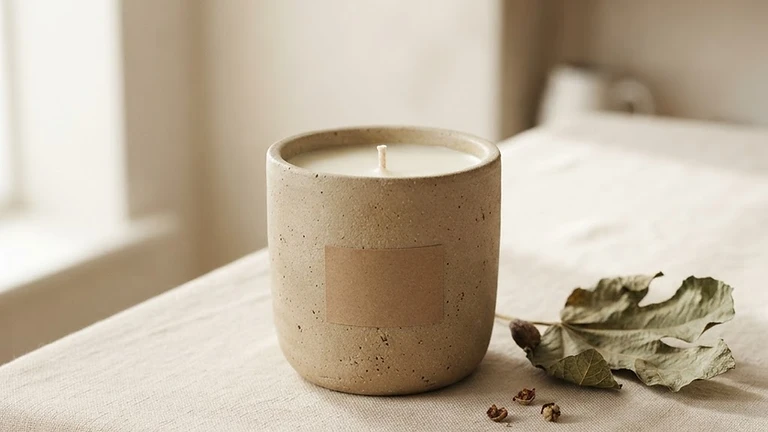
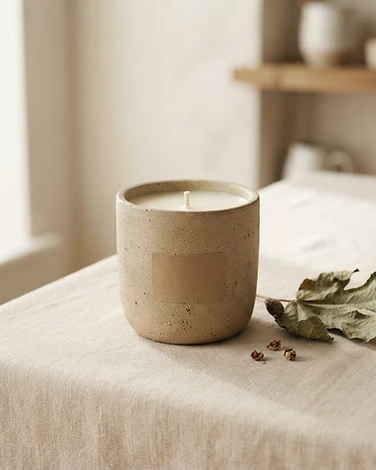
A candle is mostly packaging. That sounds like a criticism; it is not. The wax burns away, and what you are left holding for years is the vessel.
Ours are thrown in a single studio, in a sand glaze that varies slightly between firings. We accept the variation. A perfectly uniform vessel would mean a factory, and we are not that.
You are not buying ninety hours of flame. You are buying something you will keep in a bathroom for a decade.
The wax is a coconut and rapeseed blend rather than paraffin, because it burns cooler and carries a fig note without scorching it. It is poured at 62°C, and then left alone.
Those forty minutes matter more than the mixing. Cool too quickly and the surface clouds; cool too slowly and the scent separates. There is no instrument for this — you learn the room, and the room changes with the weather.
Trim the wick to five millimetres. Let the pool reach the edge on the first burn. Do not burn it for four hours at a stretch. That is the whole of the care instruction, and it is enough.
SHOP THE STORY