Ingredients · 26 September 2026 · 5 min read
Notes on Neroli
Bitter orange blossom, distilled three ways, and why the most expensive material in the House smells of clean linen and morning light.
Words by Arewà
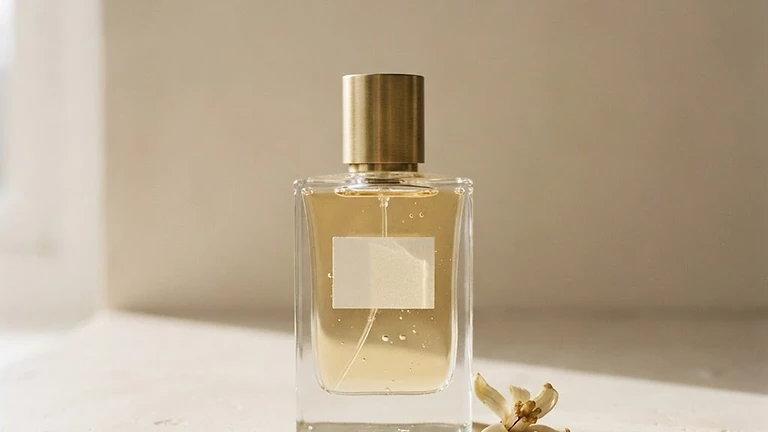
Neroli is the scent of bitter orange blossom, and it is the most expensive thing we buy. One kilo of the absolute takes roughly a tonne of blossom, picked by hand within a fortnight of flowering.
The same flower gives three different materials. Steam-distilled, it becomes neroli oil — bright, green, faintly bitter. Extracted with solvent, it becomes orange blossom absolute — heavier, honeyed, almost narcotic. Distilled from the leaves and twigs instead, it becomes petitgrain: sharp, woody, the scaffolding the other two lean on.
One flower, three readings. None of them is the whole flower.
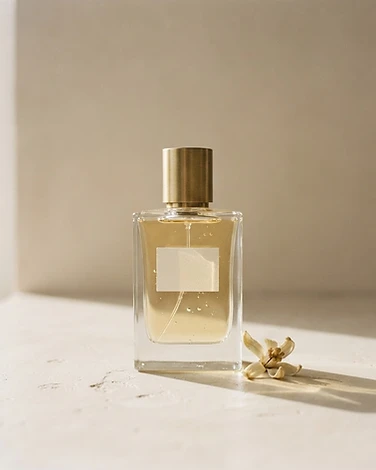
Our eau de parfum uses all three, in descending order, which is unusual and slightly expensive. The petitgrain goes in first to keep the opening from collapsing into sweetness. The absolute carries the middle. The oil returns at the end, cooled by white musk and a little cedar, so the scent does not simply stop.
What people describe when they smell it is rarely a flower. Clean linen. Sun on warm stone. The inside of a linen cupboard. That is neroli's particular talent: it does not announce itself as perfume, it announces itself as a room you would like to be in.
It is also fragile. Spray it on skin and rub, and you will break the top notes and lose the light. Press it, and leave it alone.
SHOP THE STORY